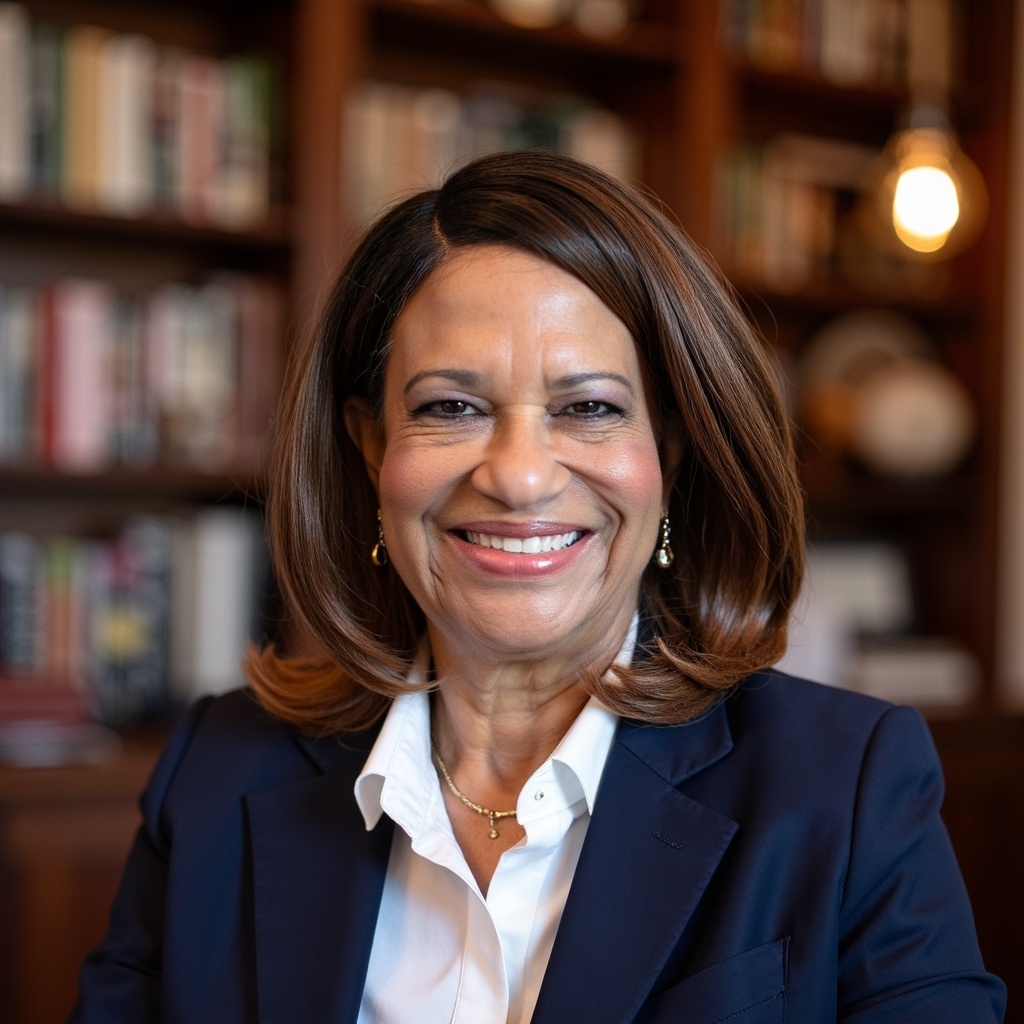
By Sheilah Vance
Twenty years ago, I published my first novel, Chasing the 400.
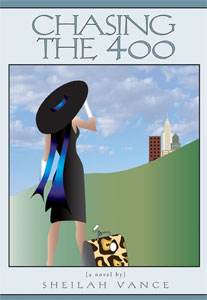
There is something extraordinary about writing that sentence.
Twenty years of being a published novelist. Twenty years of sharing a story that took readers into the African American communities of Philadelphia and its Main Line during the 1950s. Twenty years of living with the questions about race, class, identity, ambition, and belonging that inspired the novel.
When I published Chasing the 400 in 2006, I was beginning a new chapter in my own life. I was an attorney and an educator, but I also had stories that I wanted to tell. Stories that required a different kind of writing, a different kind of imagination, and a different kind of courage.
I wanted to write about a world that deserved a more prominent place in American literature—the Black Main Line that I grew up in and that my father’s family in Ardmore was a big part of.
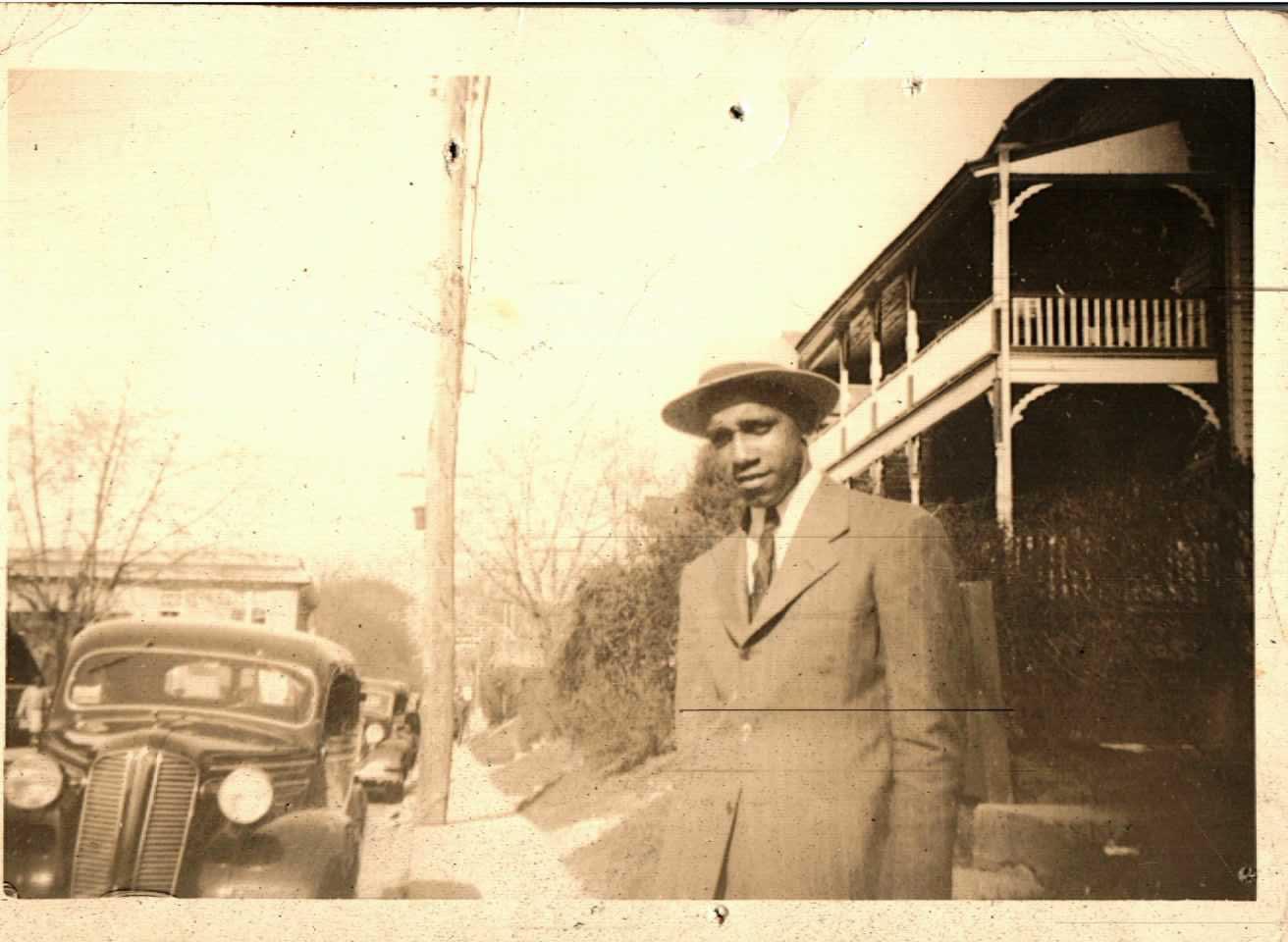
And I wanted to do it on my own terms.
That decision led not only to the publication of my first novel but also to the creation of The Elevator Group LLC, my publishing and multimedia company, which also celebrates its twentieth anniversary this year.
One book. One idea. Two beginnings.
Twenty years later, I find myself reflecting on both.
The Meaning of Chasing the 400
The phrase “the 400” has long been associated with American society’s fascination with wealth, social standing, exclusivity, and the people considered worthy of admission into elite circles.
But what happens when we examine those aspirations within African American communities?
What does it mean to pursue social standing in a society that has historically erected barriers to your advancement?
Who determines who belongs?
What is the relationship between economic achievement and social acceptance? Between education and opportunity? Between the communities that nurture us and the communities we aspire to enter?
And what might we lose in the process of chasing something that others have defined as success?
These questions were among those that made the world of Chasing the 400 so compelling to me.
The novel offered an opportunity to explore the complexities of African American life beyond the familiar narratives that have often dominated representations of Black history.
African American communities have never been monolithic. They encompass different economic circumstances, educational backgrounds, social traditions, ambitions, and understandings of what constitutes a successful life.
Those differences are part of the richness of our story.
The Black Bourgeoisie of Philadelphia
Philadelphia in the 1950s provides a fascinating setting for exploring these questions.
The city was home to a vibrant African American professional and social class. Black physicians, attorneys, educators, entrepreneurs, clergy, and other professionals helped create institutions and networks that supported generations of African Americans.
There were social organizations, literary societies, fraternities and sororities, civic associations, churches, and charitable organizations. Two national and international social organizations for African Americans, Jack and Jill of America and the Links, Inc., were both created in Philadelphia.
There were traditions of entertaining, philanthropy, cultural enrichment, and educational advancement.
There were standards of conduct and expectations about achievement, social relationships, and family reputation.
And, of course, there were complexities.
In a society shaped by racial discrimination, African Americans could achieve considerable professional and economic success and still find themselves excluded from institutions available to their white counterparts.
Within Black communities, class distinctions could also influence relationships, aspirations, and perceptions of belonging.
The Black bourgeoisie represented an important dimension of African American life, one worthy of exploration in all its complexity rather than through caricature or romanticization.
But there was another world that I wanted readers of Chasing the 400 to appreciate.
It was the world of the Black working-class communities of Philadelphia’s Main Line.
The Main Line That America Rarely Sees
Mention Philadelphia’s Main Line, and certain images immediately come to mind.
Expansive estates. Elegant homes. Country clubs. Exclusive schools. Generational wealth.
The Main Line has become almost a shorthand for a particular kind of American affluence.
But that is not the whole story of the Main Line.
For generations, African American families have lived, worked, worshipped, raised their children, established businesses, and created communities along the Main Line.
Their presence is not a footnote to the history of the region.
It is an essential part of that history.
And what interests me particularly is not simply the relationship of these African American communities to the affluent white communities around them.
It is what these Black communities created for themselves.
People sometimes tell the history of African Americans on the Main Line primarily through the work they performed for wealthy white families.
That labor deserves recognition. But it does not encompass the fullness of their lives.
A woman who worked in someone else’s home during the week might have been a leader in her own church on Sunday.
A man whose occupation involved maintaining someone else’s property might have been a homeowner, a church trustee, a community organizer, or a respected elder in his own neighborhood.
Their occupations did not define the limits of their identities.
They had their own homes, their own families, their own social lives, their own institutions, and their own aspirations.
They had communities in which they were known, valued, respected, and loved.
That is the Main Line that I grew up in and that deserves to be more widely remembered.
The Communities They Built
Consider the remarkable social infrastructure that African American working-class families created during an era when discrimination restricted many of their opportunities.
Their churches were places of worship, but they were also centers of social life, leadership development, fellowship, and mutual assistance.
Their businesses provided not only goods and services but also gathering places, employment opportunities, and networks of support.
Their social organizations created opportunities for celebration, friendship, philanthropy, and community advancement.
Their homes were places where knowledge, traditions, values, and expectations passed from one generation to the next.
There were church anniversaries, choir rehearsals, Sunday dinners, family reunions, holiday celebrations, and neighborhood gatherings.
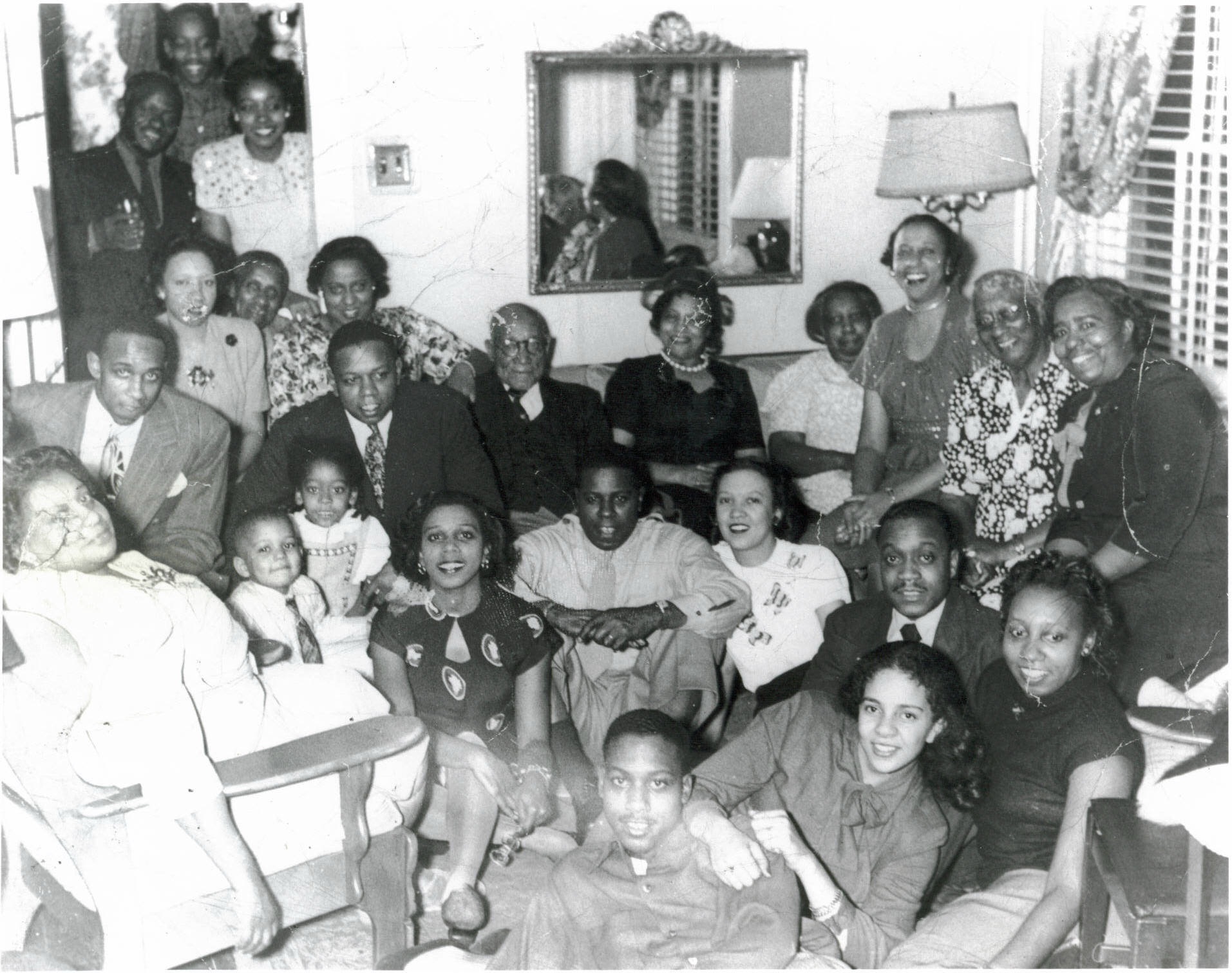
There was music. There was laughter. There was fellowship.
There were young people discovering their talents and elders sharing their wisdom.
There were women whose organizational and leadership abilities sustained institutions, often without the recognition that their contributions deserved.
There were families making sacrifices so that their children could have educational and professional opportunities that had been unavailable to them.
These communities were rich in ways that cannot be adequately measured by income, property values, or membership in exclusive organizations.
Their wealth was also social, cultural, spiritual, and intergenerational.
One of the things I hope readers take away from Chasing the 400 is an appreciation of the distinction between having wealth and having a rich life.
The two are not necessarily the same.
What Were We Really Chasing?
Twenty years after publishing the novel, I continue to find contemporary meaning in its title.
What are we really chasing?
Is it financial success? Recognition? Acceptance? Influence? Security? Freedom?
Is it the ability to enter spaces from which previous generations were excluded?
Or is it the ability to create spaces in which we and future generations can flourish?
There is nothing inherently wrong with ambition. The pursuit of educational, professional, economic, and social advancement has helped transform African American life.
But we should also recognize the tremendous accomplishments of people who never became members of an economic or social elite.
The people who sustained churches for generations.
The people who built businesses without access to the financial resources available to others.
The people who cared for neighbors, mentored children, supported families, and kept communities together.
The people whose names may never appear in history books but whose influence is evident in the lives of their descendants.
Perhaps some of the most important achievements in American history were accomplished by people who were not chasing admission into someone else’s world.
They were building worlds of their own.
From 1776 to 1956 to 2026
The twentieth anniversary of Chasing the 400 coincides with a remarkable moment in American history: the 250th anniversary of the Declaration of Independence.
As an author who has also spent years researching and writing about the American Revolution, I find particular significance in this convergence.
My historical writing has taken me into the eighteenth century, examining the struggle to create a new nation. My first novel took me into the twentieth century, exploring African American communities living within that nation’s continuing struggles over equality, opportunity, and belonging.
These subjects might seem separated by centuries.
But they are connected by fundamental questions about the American experience.
What does freedom mean?
Who has the opportunity to exercise it?
How do people create communities that sustain their aspirations?
And how do we transform the promises of a nation into the realities of everyday life?
Philadelphia is central to the story of America’s founding.
But the African Americans who built communities in Philadelphia and its surrounding suburbs in the decades and centuries that followed are also central to the American story.
As we commemorate America250 and America250PA, I hope we expand our understanding of the people and places worthy of recognition.
Let us remember not only those who signed founding documents, fought battles, and established governments.
Let us also remember those who built churches, established schools, opened businesses, purchased homes, organized neighborhoods, and created opportunities for future generations.
Their contributions helped make America what it is today.
The Black working-class communities of Philadelphia’s Main Line belong in our commemoration of 250 years of American history.
So does Philadelphia’s Black professional and social class, with its institutions, achievements, aspirations, and complexities.
Together, their stories offer a fuller understanding of the American experience.
What My First Novel Made Possible
When I published Chasing the 400, I could not have known everything that would follow.
The novel became a bestseller in the Black Expressions Book Club. It was also the inaugural selection of the African American Museum of Philadelphia’s book club.
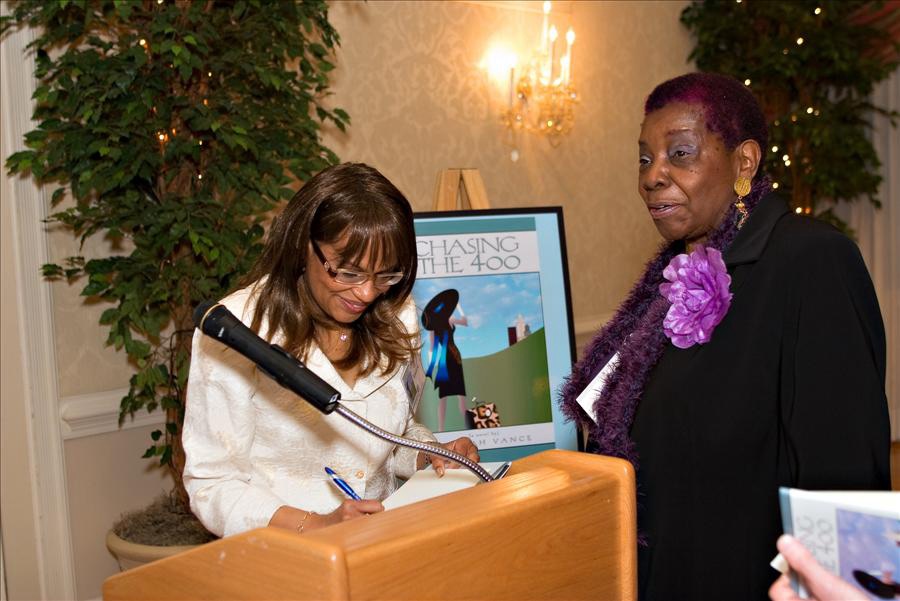
Those milestones remain particularly meaningful to me because they brought the novel into communities of readers who could engage with its themes, discuss its questions, and recognize dimensions of African American life within its pages.
The book also became the beginning of a larger creative and entrepreneurial journey.
Through The Elevator Group, I have had the privilege of publishing books by seven other authors and helping bring additional stories and ideas into the world through 15 books.
My writing has expanded into different genres and historical periods. My interests have led me from fiction to American history, leadership, and other forms of creative expression.
But I will always have a special relationship with Chasing the 400.
There is only one first novel.
There is only one moment when you make the transition from someone who wants to publish a book to someone who has published one.
That moment changes your understanding of what is possible.
And sometimes, the most important thing about the first book you publish is not simply the book itself.
It is the person you become because you had the courage to publish it.
Preserving the Stories of the Black Main Line
As I celebrate this anniversary, I am also thinking about the stories that remain to be collected and shared.
There are elders who remember the African American communities of the Main Line during the middle decades of the twentieth century.
There are family photographs, church programs, business records, newspaper articles, letters, and other materials that can help us better understand these communities.
There are descendants who know stories that have never been formally recorded.
There are histories of congregations, neighborhoods, social organizations, and businesses that deserve greater attention.
I would like the twentieth anniversary of Chasing the 400 to provide an opportunity for renewed conversations about preserving and celebrating this heritage.
Not merely documenting discrimination and the obstacles that African Americans faced, as important as that history is.
But documenting the joy.
The enterprise.
The creativity.
The friendships.
The faith.
The extraordinary ordinary lives of people who built something beautiful together.
If you grew up in an African American community on Philadelphia’s Main Line, or if your parents, grandparents, or other relatives did, I would love to hear from you.
What do you remember?
What stories were passed down to you?
What churches, businesses, organizations, and gathering places were important to your family?
What made your community special?
These stories matter.
And they deserve to be preserved.
The Next Twenty Years
Twenty years ago, I published a novel.
I also founded a publishing company.
Both began with a belief that stories have power.
They can preserve history, challenge assumptions, illuminate communities, and change the way we understand ourselves and others.
As I celebrate the twentieth anniversaries of Chasing the 400 and The Elevator Group, I am not simply looking backward.

I am looking forward.
I am exploring the next chapter of my work as an author and publisher, including the repositioning of The Elevator Group and the many possibilities for sharing stories through new forms of media.
There are more books to write.
More histories to uncover.
More voices to elevate.
More conversations to begin.
And there are still questions raised by that first novel that deserve our attention.
What are we chasing?
Who determines what success looks like?
What are we building for ourselves?
And what will we leave for those who come after us?
Twenty years later, I am still asking those questions.
Still writing.
Still creating.
Still discovering.
And still believing that our stories deserve to be told.
Happy twentieth anniversary, Chasing the 400.
You were the beginning of something extraordinary.
And the story continues.
Peace,
Sheilah
Sheilah Vance is an attorney, author, and founder and president of The Elevator Group LLC, an independent publishing and multimedia company celebrating its twentieth anniversary in 2026. Her first novel, Chasing the 400, explores African American life in 1950s Philadelphia and on Philadelphia’s Main Line. Her subsequent books and historical research explore American history, leadership, and the people and communities that shape our national story.
Join the conversation: If you have memories, family photographs, or stories about African American life in mid-twentieth-century Philadelphia or on the Main Line, please share your recollections in the comments or contact me privately at svanceauthor@gmail.com.
Subscribe to receive additional anniversary essays, historical reflections, and announcements about the next chapter of Chasing the 400 and The Elevator Group.


Leave a Reply